Brain Tumors and Brain Cancer
Brain tumor representation in India
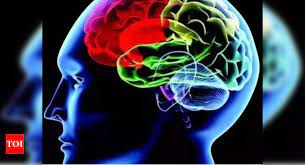
Brain tumors represent one in every 100 tumors analyzed every year in India. The most dangerous diseases of brain growth and brain cancer are spread to the skull by various growths in the body, best bmt in Delhi ncr including chest and lung tumors, dangerous melanoma and platelet malformations. growth (such as leukemia). and lymphoma). Some brain tumors start in the cells that help the nerve cells of the brain, where they can crowd out specific cells and spread to different areas of the body. Cancer can either destroy tissue or cause certain problems in different parts of the body, as the growth puts stress on the brain.
Brain tumor cell types
Brain tumors can be assembled by the type of cell involved (such as meningioma, astrocytoma, lymphoma, and so forth) or by the region of the brain. Metastasized cells may fill one or some of the sites of brain cancer. About half of all mental development is non-aggressive (harmless), slow to develop, and respond well to treatment.

Brain cancer side effects
The side effects of brain best cancer surgeon in Delhi depend on their area, size, rate of growth and stage. Some non-infectious brain growths that develop slowly can be very heavy before causing side effects in light of the fact that there is often no enlargement of brain tissue. Yet, if they cannot be easily eliminated, because of their size or area, they can be as dangerous as a malignant brain cancer.
People who have side effects that do not go away should see their primary care doctor right away. Overall, symptoms of malignant development of the mind include:
Weird heartbeat and breathing rate may also occur
Deep, dull migraines that are frequent and last for a long time without help
trouble walking or talking
instability
visual perception issues including double vision
health benefit
Sputum
In the final stages of the issue, there may be sensational changes in communication tension. Seizures are a typical sign of harmless brain development and slow-developing diseases. The growth can make a piece of the body feel weak or feel dead. Hearing, seeing and smelling may be affected. People who show character changes and are disorganized and unable to think clearly require immediate clinical consideration.
There are many different types of brain enlargement, some of which may have a few names. In fact, even neuropathologists who analyze these brain tumors are repeatedly conflicted about what they call them. The most common types of absolutism are:
acoustic neuroma
astrocytoma
chordomas
glioblastoma multiforme
gliomas
Meningitis
Mixed, optic nerve and brain stem gliomas
oligodendroglioma
pineal cancer
pituitary adenoma
crude neuroectodermal cancer
schwannomas
vascular cancer
causes and risk factors
Hazardous factors include exposure to ionizing radiation or significant parts of synthetics, such as vinyl chloride, sweet-smelling hydrocarbons, triazoles, and N-nitroso compounds. For the most part, there is openness to the work environment. Genetically acquired infections, such as tuberous sclerosis and von Hippel-Lindau disease, can make a person vulnerable to brain tumors. Three out of five people who experience the ill effects of mental development are men. Cerebrum cancers are usually common in premature or adult life, however, they can appear at any stage of life.
Neurological test
Patient side effects routinely show the presence of brain cancer and where it is found. A specialist may perform a neurological test to determine whether the patient's recognition reflexes, mental state, and memory are functioning normally. The specialist may also order imaging tests, including processed tomography (CT) of the brain or invasive reverberation imaging (MRI) of the brain, to diagnose and show the size of the brain cancer.
A biopsy will then be able to identify the type of brain growth and whether it is harmful (dangerous). During a biopsy, a limited amount of malignant tissue is taken and broken up under a magnifying instrument. Biopsy should usually be possible during a medical procedure in which all or part of the cerebrum is removed. The development involved somewhere in the bottom of the mind cannot be safely pulled close again and again. In those cases, the biopsy system involves using a three-dimensional needle strategy in which an external imaging gear guides the arrangement of the needle so that cells can be brought into the needle.
Cancer brain stress
In some cases, a spinal tap is performed to collect spinal fluid and inspect it for malignant growth cells. Assuming that the cancer is causing tension in the brain, this strategy is unlikely in light of the fact that unexpected changes in tension in the skull can cause a herniation (swelling of a film). Herniation most dangerous
HEAD OFFICE
Dr. Atish Narayanrao Bakane
Address: Indraprastha Apollo Hospital Mathura Road, Sarita Vihar, New Delhi-110076, India
Website — https://www.oncologistdratish.com/
Industry
Dr. Atish Narayanrao Bakane
Send an email
Email: dratish_bakane@apollohospitalsdelhi.com
Give Us a Call
Phone:+919884370549


Comments
Post a Comment