Posts

Signs and Symptoms of Childhood Acute Myeloid Leukemia

Image
What are the signs and symptoms of childhood acute myeloid leukoma? There are several. These include swollen lymph nodes, pain in the abdomen, anemia, and transfusion therapy. If you are unsure about a symptom, speak with your doctor. Signs and symptoms of childhood acute myeloid leukemia are described below. Pain in the Abdomen A child with this cancer often experiences pain in the abdominal region. Although it is a symptom of an underlying condition, it can be a warning sign for other myeloid malignancies. Patients with childhood acute myeloid leukemia should discuss their symptoms with their healthcare providers. A doctor may ask specific questions about their child's health history and medications. Treatment may include various forms of therapy, including a combination of modalities. Swollen Lymph Nodes A child may have swollen lymph nodes, chest pain, or abdominal discomfort. Some of these symptoms are common with viral infections, but they can also be indicators of leukemia....

How does Leukemia Develop and Affect our Whole Body?

Image
Leukemia is a cancer of the blood, characterized by the rapid growth of abnormal blood cells. This uncontrolled growth happens in your bone marrow, where most of your body's blood is made. The word leukemia comes from the Greek words "white" (leukos) and "blood" (haema). Unlike other cancers, leukemia does not usually form a mass (tumor) that is visible on imaging tests such as X-rays or CT scans. There are many types of leukemia . How does Leukemia Develop? Normal Blood V/s Leukemia Leukemia begins in the bone marrow, the soft spongy tissue in the inner cavity of your bones, where your body's blood cells are made. Mature, normal blood cells include: • Red blood cells : cells that carry oxygen and other vital materials to all the tissues and organs of your body. • White blood cells : blood cells that fight infection. • Platelets : Cells that help your blood clot. These blood cells begin as hematopoietic (hemo=blood, poise=make) stem cells. If blood cells wer...

What is Immunology? Why is it Important to us?

Image
What is Immunology? If the immune system is not working properly, it can result in diseases like autoimmunity, allergies and cancer. It is now also becoming clear that immune responses contribute to the development of many common disorders not traditionally viewed as immunological, including metabolic, cardiovascular and neurodegenerative conditions such as Alzheimer's. Why is Immunology Important? From the pioneering work of Edward Jenner in the 18th century, which would eventually lead to vaccination in its modern form (an innovation that probably saved more lives than any other medical advance), many scientists in the 19th and 20th centuries Successes that would lead to, among other things, safe organ transplantation, identification of blood groups, and the now ubiquitous use of monoclonal antibodies in science and healthcare, immunology has changed the face of modern medicine. With ongoing research efforts into immunotherapy, autoimmune diseases and vaccines for emerging ...

What does a Clinical Pediatric Immunologist do?

Image
 If your child suffers from allergies or other problems with his or her immune system, a pediatrician/immunologist has specialized skills to treat your child. Your child's immune system fights off infection. If your child has allergies, his immune system reacts incorrectly to things that are usually harmless. Pet dander, pollen, dust, mold spores, insect stings, food and medicines are examples of such things. This reaction can cause his body to react with health problems such as asthma, hay fever, hives, eczema (a rash), or a very severe and unusual reaction called anaphylaxis. Sometimes, if your child's immune system is not working properly, he may suffer from frequent, severe and/or unusual infections. Examples of such infections are sinusitis (inflammation of one or more sinuses), pneumonia (infection of the lungs), thrush (a fungal infection in the mouth), and abscesses. A pediatrician/immunologist detects and treats these allergies and immune system problems. What ki...

What is Rhabdomyosarcoma? Causes, Types, Symptoms, Treatments

Image
Rhabdomyosarcoma is a type of cancer that occurs in soft tissues. These cancers are one of the rarer forms and affect skeletal tissues or sometimes hollow organs such as the uterus and bladder. It is common in children, but the disorder can affect people of any age. What is Rhabdomyosarcoma? The name rhabdomyosarcoma is derived from the word rhabdomyoblasts , which are the cells from which this cancer arises. They eventually turn into the tissues that make up skeletal muscles, which are muscles that facilitate body movement. Rhabdomyosarcoma is mostly found in children because rhabdoblasts are present in the developing fetus. About half of cases of this disorder occur in children, but rhabdomyosarcoma has also been reported in adults. Types of Rhabdomyosarcomas 1. Children below five years of age are usually affected by this disorder. ERMS occurs in the bladder, vagina, or head and neck area, or in or around the prostate and testicles. 2. Alveolar Rhabdomyosarcomas grow r...

Risks and Causes of Pediatric Cancer

Image
Cancer is not infectious. You can’t catch it from another person and your child can’t pass it on to their siblings or other children in their school. It is unlikely for 2 children in one family to get diagnosed with childhood cancer. Risk factors for Pediatric cancers are not well understood. This is because this group of cancers are rare and there are lots of different types. This makes them difficult for researchers to study. There are some known risk factors that can increase the risk of Pediatric Cancer . The list below gives some examples. It is important to note that most children with cancer aren’t affected by any of them. And many children who are affected by these risk factors won't go on to develop cancer. Known Risk Factors These include: medical conditions problems with development in the womb exposure to infections exposure to radiation previous cancer treatments Medical Conditions Certain conditions can increase a child'...

Chemotherapy for Acute Myeloid Leukemia by Best Pediatric Hematologist Oncologist

Image
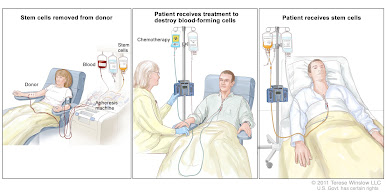
Chemotherapy (chemo) is the use of anticancer drugs that are injected under the skin, or into the cerebrospinal fluid (CSF), or medicines taken by mouth to destroy or control cancer cells. In addition to being given in the CSF, these drugs enter the bloodstream and reach all areas of the body, making this treatment useful for cancers such as leukemia that have spread throughout the body. Acute chemo may not be recommended for patients with poor health, but advanced age in itself is not a deterrent to receiving chemo. Acute Myeloid Leukemia Treatment How is chemo given? Treatment of AML is usually divided into stages: • Induction is the first stage of treatment. It is short and intense, usually lasting about a week. The goal is to clear the blood of leukemia cells (blasts) and to normalize the number of blasts in the bone marrow. • Consolidation is a chemical that is given after the patient has recovered from induction. This is to kill the small number of leukemia cells that a...